Post Your Needs

Luce di Luna Quartzite

White - Quartzite

Brazil

About

Item Details

Material Type:
Quartzite
Origin:
Brazil (Diamantina, Minas Gerais)
Primary Color(s):
White
Recommended Usage:
Kitchen and bathroom countertops, monuments, building stone, ornamental stone, stairs, interior, exterior wall and floor applications, mosaic, waterjet pattern, balustrades, fireplaces, columns, wall panels
Additional Names:
Moonlight Quartzite, Blanco Luna Quartzite, Blanco Lunar Quartzite, Bianco Luna Quartzite, Luce de Luna Quartzite, Luce Luna Quartzite, White Macaubas Quartzite, in China stone market: 淡水河谷(Dànshuǐ hégǔ), Luce di Luna Quartzite
Finished Surface:
Polished,Bush Hammered,Tumbled,Brushed,Honed,Split,Machine Cut,Natural Surface,Sandblasted,Acid Washing,Combed,Leathered,Water Jet,Filled,Chiseled,Pickling

Description

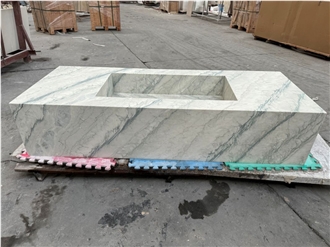
Luce Di Luna Quartzite is a stunning natural stone known for its elegant and luminous appearance. It is a type of quartzite, which is a metamorphic rock formed from the recrystallization of sandstone under intense heat and pressure. Luce Di Luna Quartzite is highly regarded for its unique combination of colors and its captivating veining patterns.

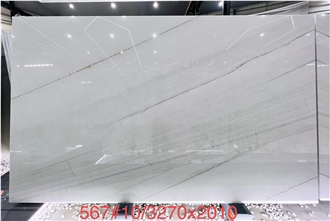
Luce Di Luna, which translates to "Moonlight" in Italian, aptly describes the ethereal beauty of this stone. It typically features a light gray or silver background color with subtle hints of blue and green undertones. The stone's surface often exhibits delicate veining in shades of white, silver, or pale blue, reminiscent of moonlit reflections on water.

The interplay of colors and veining in Luce Di Luna Quartzite creates a sense of depth and movement, giving it a dynamic and mesmerizing quality. Each slab of Luce Di Luna Quartzite is unique, showcasing variations in pattern and veining, adding to its allure and individuality.

This quartzite variety is prized not only for its exquisite aesthetics but also for its durability and strength. Luce Di Luna Quartzite is highly resistant to heat, scratches, and stains, making it suitable for various applications. It can be used for kitchen countertops, bathroom vanities, fireplace surrounds, flooring, wall cladding, and other interior and exterior design elements.

The versatility of Luce Di Luna Quartzite allows it to harmonize with a wide range of design styles, from contemporary to traditional. Its soft, luminous appearance complements both light and dark color palettes, making it a popular choice for creating sophisticated and timeless spaces.

It's important to note that the availability and characteristics of Luce Di Luna Quartzite can vary from quarry to quarry and even within individual slabs. It is recommended to view and select the actual slabs or consult with reputable suppliers who can provide detailed information about the specific characteristics and availability of this quartzite.

Overall, Luce Di Luna Quartzite is a breathtaking natural stone that evokes a sense of tranquility and elegance. Its delicate color palette, combined with its durable nature, makes it a prized choice for those seeking a sophisticated and unique material to enhance their interior and exterior designs.

FAQ

How do I waterproof Luce di Luna Quartzite terrace floors?

To waterproof Luce di Luna Quartzite terrace floors, you can follow these steps: 1. Clean the floors: Start by thoroughly cleaning the terrace floors using a mild soap or stone cleaner. Remove any dirt, stains, or debris. Rinse properly and allow the floors to dry completely. 2. Fill cracks and gaps: Inspect the floors for any cracks or gaps. Use a stone filler or sealant to fill these areas and ensure a smooth surface. Follow the manufacturers instructions for the specific product you are using. 3. Select the right sealer: Choose a high-quality penetrating sealer specifically designed for natural stone surfaces like quartzite. Look for a sealer that is water-based, breathable, and suitable for outdoor applications. 4. Applying the sealer: Before applying the sealer, make sure the floors are completely dry. Use a roller or brush to apply the sealer evenly on the entire surface. Follow the manufacturers instructions regarding the number of coats and drying time between coats. 5. Allow curing time: After applying the sealer, allow it to cure according to the manufacturers instructions. Typically, it takes a few hours to dry, but it may take longer depending on the product used and weather conditions. 6. Test for water resistance: Once the sealer has cured, conduct a water test to check if it has effectively waterproofed the floors. Sprinkle some water on the surface and observe if it beads up or is absorbed by the stone. If the water beads up, the sealer is working correctly. If it is absorbed, you may need to apply an additional coat or consider a different sealer. 7. Regular maintenance: To maintain the waterproofing, clean the terrace floors regularly using a pH-neutral stone cleaner. Avoid using harsh chemicals or abrasive cleaners that can damage the sealant. Periodically check for any signs of wear or deterioration, and reapply the sealer as needed. Remember to always read and follow the specific instructions provided by the sealer manufacturer, as application methods and drying times may vary.
Read question details

How can I drill a hole in place for the faucet outlet in the Luce di Luna Quartzite kitchen countertop?

To drill a hole for the faucet outlet in a Luce di Luna Quartzite kitchen countertop, follow these steps: 1. Gather the necessary tools and materials: - Quartzite countertop - Diamond-tipped drill bit suitable for drilling into quartzite - Masking tape - Coolant or lubricant (e.g., water or cutting oil) - Variable speed drill - Clamps 2. Measure and mark the location for the faucet hole: - Determine the precise spot where you want the faucet outlet to be placed. - Use a measuring tape and pencil to mark the center of the hole. 3. Secure the countertop: - To prevent the countertop from cracking or shifting during drilling, secure it in place using clamps. 4. Prepare the countertop surface: - Place masking tape over the marking to reduce the chances of the drill bit slipping or causing any surface damage. 5. Set up the drill: - Insert the diamond-tipped drill bit into the drill chuck. - Ensure that the drill is set to a slow speed and has a variable speed option to avoid overheating the quartzite. 6. Apply lubrication: - Apply a generous amount of a coolant or lubricant, such as water or cutting oil, to the drilling area. 7. Start drilling: - Position the drill bit at a slight angle to the countertop and start drilling slowly. - Avoid exerting excessive pressure on the drill to minimize the risk of damaging the stone. - Maintain a steady and consistent drilling pace to prevent overheating. 8. Create a pilot hole: - Begin drilling a small pilot hole to create a guide for the drill bit. - Gradually increase the drill bits size to the desired diameter for the faucet outlet. - Frequently stop drilling to clear away any debris and reapply lubricant if necessary. 9. Finish drilling the hole: - Once the pilot hole is formed, continue drilling using a larger drill bit until the hole reaches its desired size. 10. Clean up and test: - Carefully remove any remaining debris or dust around the hole. - Check the diameter and smoothness of the hole to ensure it matches the faucets requirements. - Place the faucet into the newly-drilled hole to verify a proper fit. Remember, drilling into quartzite requires precision and care. If you are unsure or lack experience, it may be best to consult a professional stone fabricator or contractor for assistance.
Read question details

What type of abrasive should I use to polish the Luce di Luna Quartzite surface?

For polishing the Luce di Luna Quartzite surface, it is recommended to use a fine-grit diamond abrasive. Diamond abrasives are known for their hardness and effectiveness in polishing natural stone surfaces like quartzite. Start with a coarser diamond abrasive and gradually move to finer grits to achieve a smooth and glossy finish. Always follow the manufacturers instructions for the specific abrasive product you are using and ensure proper safety precautions while working with abrasive materials.
Read question details

What is the percentage of water absorption in Luce di Luna Quartzite?

I couldnt find specific information on the percentage of water absorption in Luce di Luna Quartzite. The water absorption percentage can vary depending on the specific slab and the quarry it comes from. It is recommended to consult with a reliable supplier or stone professional for accurate information on water absorption for a particular batch of Luce di Luna Quartzite.
Read question details

Is Luce di Luna Quartzite heat resistant for fireplace?

Yes, Luce di Luna Quartzite is heat resistant and suitable for use around fireplaces. This natural stone material can withstand high temperatures without being damaged or discolored. However, it is always recommended to consult with a professional stone supplier or installer for specific guidance on the use of Luce di Luna Quartzite in your fireplace.
Read question details

Is Luce di Luna Quartzite good for a fireplace?

Yes, Luce di Luna Quartzite can be a good choice for a fireplace. Quartzite is a natural stone that is highly resistant to heat, making it suitable for use around fireplaces. Luce di Luna Quartzite has a beautiful appearance with its mix of light gray, white, and blue tones, which can add an elegant touch to your fireplace surround. Additionally, quartzite is a durable and low-maintenance material that can withstand the high temperatures and occasional sparks or embers that can come from a fireplace.
Read question details

Is it normal for Luce di Luna Quartzite to crack?

Quartzite is a naturally occurring metamorphic rock formed from sandstone under intense heat and pressure. While it is generally a very hard and durable material, it is not entirely immune to cracking. Factors such as flaws in the stone, excessive pressure, or improper handling and installation can contribute to cracks in quartzite. However, it is not considered normal for Luce di Luna Quartzite, or any quartzite for that matter, to crack under normal conditions. With proper care and maintenance, it should be able to withstand typical use without cracking. If you notice cracks in your Luce di Luna Quartzite, it is recommended to consult with a professional stone fabricator or installer to determine the cause and best course of action.
Read question details

Does white Luce di Luna Quartzite stain easily?

White Luce di Luna Quartzite is known for its durability and resistance to staining, but it is not completely impervious. While it is more resistant to staining compared to other natural stones like marble, it is still possible for liquids and substances to penetrate the stone if left untreated for an extended period. To keep the Quartzite surface in good condition, it is recommended to wipe up spills promptly and use a suitable stone sealer to protect the surface from potential staining.
Read question details

What causes discoloration in Luce di Luna Quartzite?

Discoloration in Luce di Luna Quartzite can be caused by various factors, including: 1. Natural Mineral Content: Quartzite is a metamorphic rock that is primarily composed of quartz grains. However, it can also contain other minerals such as iron oxide or manganese. These minerals can cause discoloration in the stone, manifesting as brown, beige, or reddish tones. 2. Oxidation: Exposure to oxygen and moisture can lead to oxidation of certain minerals within the quartzite, resulting in discoloration. This can cause the stone to develop rust-like stains or a yellowish hue. 3. Chemical Reactions: Quartzite can react with acidic substances, such as lemon juice or certain cleaning products, leading to discoloration. Acidic substances can etch the surface of the stone and cause it to become discolored or stained. 4. Natural Aging: Over time, quartzite can undergo subtle changes in color due to natural aging processes. This can cause the stone to darken or develop a patina, which some people may perceive as discoloration. 5. Inadequate Sealing: Quartzite is generally more resistant to staining than other natural stones, but if it is not properly sealed, it is more susceptible to discoloration. Liquids such as oil, wine, or coffee can penetrate the stones pores and cause permanent staining. It is important to note that the specific causes of discoloration will vary depending on the individual slab of Luce di Luna Quartzite and the conditions it is exposed to. Regular maintenance and proper care can minimize the risk of discoloration and preserve the stones appearance.
Read question details

What edge is best for Luce di Luna Quartzite countertop?

The best edge for a Luce di Luna Quartzite countertop would largely depend on personal preference and the overall design style of the space. However, some popular edge options for quartzite countertops include: 1. Eased Edge: This is a simple and straight edge with slightly softened corners, creating a clean and modern look. 2. Beveled Edge: A beveled edge features a slight angled cut along the top edge, adding depth and dimension to the countertop. 3. Ogee Edge: This edge has an elegant, S-shaped profile that adds sophistication and a classic touch to the countertop. 4. Bullnose Edge: The bullnose edge is a rounded edge that is smooth and soft, creating a seamless and comfortable feel. It is recommended to consult with a professional or visit a showroom to see physical samples and visualize how each edge option would complement the Luce di Luna Quartzite countertop in your particular space.
Read question details

Products & Prices

View More

Hot White Quartzite

New Quartzite

Post Your Request

The request includes:
  1. surface finished, size
  2. quantity required